


Your Wedding Day Botox Timeline: When to Book for Perfect Photos

📌 Key Takeaways
You want your wedding photos to capture genuine joy and confidence, not worry about lines or last-minute beauty disasters.
Six Months Creates Safety Nets: Starting your Botox timeline half a year before your wedding gives you room for trial runs, adjustments, and complete confidence before the big day arrives.
The Three-to-Four-Week Sweet Spot Ensures Settling: Final injections scheduled 3 to 4 weeks before your ceremony allow full results to develop, any minor swelling to resolve, and your expressions to look completely natural under professional lighting.
Trial Runs Reveal Your Personal Response: Your first treatment teaches you exactly how your facial muscles respond, how long results last on your skin, and what level of movement feels right for photos that will last forever.
Baby Botox Preserves Expression: Lower-dose treatments soften lines without freezing movement, letting you smile, laugh, and show emotion naturally while still looking refreshed and photo-ready.
Strategic Timing Eliminates Wedding Week Panic: When you follow a structured countdown with built-in buffers, you replace last-minute anxiety with calm certainty that your skin will photograph beautifully.
Preparation transforms stress into confidence—settled results mean genuine smiles on camera.
Brides planning weddings in the next six to twelve months will find a clear roadmap here, preparing them for the detailed timeline and provider selection guidance that follows.
Picture this: you're scrolling through engagement photos, mentally mapping out every detail of your big day. The dress is chosen, the venue is locked in, and your Pinterest board overflows with inspiration. Then it hits you—what about your skin? That nagging worry about forehead lines in photos, or worse, the fear of looking frozen or overdone if you try to "fix" them.
You're not alone in this. The constant low-level stress of noticing fine lines intensifies when a high-stakes event looms on the calendar. What you really want is to wake up on your wedding day looking naturally refreshed and polished—like yourself, just more rested. The challenge is figuring out when to start, how much time you need, and how to avoid a beauty disaster right before your photographer starts clicking.
Here's what that transformation looks like: imagine glancing in the mirror on your wedding morning and seeing smooth, naturally relaxed skin instead of the stress lines that usually greet you. No frantic concealer application. No anxiety about how your forehead will photograph under professional lighting. Just confident, ready, genuinely you.
Botox & Neurotoxins are injectable neuromodulators that temporarily relax facial muscles to smooth dynamic wrinkles and prevent deep lines. It's like hitting the 'pause button' on the repetitive movements that etch lines into your skin. Picture looking in the mirror and seeing a smooth, rested forehead instead of the stress lines that usually greet you. Consider a consultation to see if 'preventative tox' can stop lines before they start.
Your Wedding Botox Timeline at a Glance

Before we dive into the details, here's your quick-reference countdown:
Six to twelve months before: Research providers, schedule consultation, and book your first trial appointment
Four to six months before: Complete your trial treatment to learn how your body responds
Three months before: Optional refinement session if adjustments are needed
Six to eight weeks before: Coordinate any additional treatments like facials or fillers
Three to four weeks before: Final Botox appointment (the sweet spot for wedding day results)
One to two weeks before: No new treatments—focus on maintenance and gentle skincare
Each of these stages serves a specific purpose in building your confidence and ensuring you look naturally polished on your wedding day. Let's break down exactly what happens at each step.
The Six-Month Planning Window: Why First-Timers Need More Time
Booking your first treatment 6 months out allows for adjustments and touch-ups. This isn't arbitrary caution. If you've never had Botox before, you simply don't know how your facial muscles will respond to the treatment. According to research on botulinum toxin effects, most people start to notice results within 3 to 5 days, with the full smoothing effect developing over about 10 to 14 days. Some areas might need a slightly higher dose to achieve the smoothing effect you want, while others respond perfectly on the first attempt.
Starting six months before your wedding creates a comfortable buffer for this learning curve. Your first appointment becomes a trial run—a chance to understand how your muscles react without the pressure of an imminent deadline. If you love the results immediately, perfect. If something needs tweaking, you have multiple months to schedule a follow-up appointment and ensure everything settles exactly as you envisioned.
Think of it like your dress fittings. You wouldn't schedule a single fitting the week before your wedding and hope for the best. The same principle applies here. Each treatment session provides valuable information about what works for your unique facial anatomy, and that knowledge becomes the foundation for timing your final appointment perfectly.
Understanding Your Personal Response Pattern
A trial run is essential to understand how your muscles react. During that first appointment, your provider will likely start with conservative doses in the areas you're most concerned about—typically the forehead, between the brows, or around the eyes. Over the following two weeks, you'll notice the gradual softening of lines as the neuromodulator takes full effect.
This is when you learn the specifics of your response. Do you metabolize the product quickly, meaning results fade closer to the three-month mark rather than four? Does one side of your forehead need a slightly different approach than the other? These details matter tremendously when you're planning for photos that will last a lifetime, and discovering them requires actual experience with your own tissue response.
Starting your Botox journey well before your wedding also means you'll know exactly what maintenance schedule works for you after the honeymoon. This early planning transforms a single event treatment into a sustainable approach to the preventative care you'll want to continue.
The Sweet Spot: Three to Four Weeks Before Your Wedding
The 'sweet spot' for final injections is 3-4 weeks before the wedding to allow settling. This timing isn't about when the product "kicks in"—that happens within the first week or two. Rather, it's about achieving that imperceptible, naturally refreshed look that photographs beautifully without any hint of recent intervention.
In the first 48 to 72 hours after treatment, there may be minor redness at injection sites or slight swelling. These are normal responses that resolve quickly, but you don't want them appearing in your rehearsal dinner photos. By the three-week mark, everything has settled completely. Your facial expressions move naturally. There's no residual tenderness. The smoothing effect has reached its full potential.
Booking at four weeks gives you a small cushion if life gets chaotic in those final wedding weeks. If you need to reschedule your appointment by a few days, you're still within the ideal window. If something unexpected happens and you want to check in with your provider about how things are settling, there's time for a quick consultation without any panic.
What "Settling" Actually Means
When providers talk about results "settling," they're referring to the complete integration of the neuromodulator with your muscle tissue. Initially, the relaxation happens gradually and may feel slightly asymmetric as different areas respond at different rates. By week three, this process is complete. Both sides of your face show consistent results, and you've had enough time to observe your expressions in different lighting conditions and confirm you're happy with the outcome.
This settling period also allows any microscopic bruising—the kind that's invisible to the naked eye but might show up under professional photography lighting—to resolve completely. High-definition wedding photography is unforgiving, and this extra time ensures absolutely nothing will show on camera.
The First-Timer's Extended Timeline
If you're new to Botox, your planning calendar needs to start even earlier. The six-month recommendation isn't just about allowing time for adjustments; it's about building trust in the process itself. Many brides report that the anxiety about "looking different" or "not recognizing themselves" is far worse than any physical discomfort during treatment.
Your first consultation, ideally scheduled between six and twelve months out, serves as both an educational session and a relationship-building opportunity with your provider. You'll discuss your specific concerns, review before-and-after photos of subtle treatments, and talk through exactly what natural results look like. This conversation is crucial for aligning your expectations with reality and establishing the open communication you'll need throughout the process.
After that initial consultation, schedule your first treatment. Wait the full two to four weeks to see complete results, then evaluate. This is when you decide: Do you love it? Would you adjust anything? How does it feel when you smile, raise your eyebrows, or make any of the expressions you'll naturally have on your wedding day?
This extended timeline means you'll have complete confidence in your decision. There's no uncertainty, no wondering "what if," and no last-minute regrets. By your wedding day, preventative Botox will simply be part of your skincare routine—as normal as your daily moisturizer.
The Mid-Timeline Check-In
Around the three to four-month mark before your wedding, schedule what many providers call a "maintenance appointment." This session fine-tunes any areas that might have faded slightly or adjusts zones where you'd like a bit more smoothing. It's also an opportunity to explore lighter-dose approaches—sometimes called "baby Botox"—if you've been pleased with the results so far and want to maintain a high degree of natural movement while still softening specific lines.
This check-in serves another purpose: it confirms your provider understands your aesthetic preferences. By this point, they've seen how your tissue responds, they know which areas matter most to you, and they've calibrated their technique to your specific goals. This relationship becomes invaluable for that final appointment closer to your wedding date.
What Happens at Each Stage

Let me walk you through the practical timeline. At six months out, you're having that crucial first experience. The appointment itself is surprisingly quick—often just 15 to 20 minutes—but the consultation beforehand might take 30 minutes or more as your provider maps out your facial anatomy and discusses your goals in detail.
You'll leave with specific aftercare instructions: stay upright for four hours, avoid intense exercise for 24 hours, and don't massage or manipulate the treated areas. These guidelines help the product settle where it was placed rather than migrating to adjacent muscles. Over the next two weeks, you're observing and taking notes, mentally or literally, about what you're seeing.
At the three to four-month mark, you're returning for that maintenance session. This appointment is typically faster because your provider already knows your tissue response and your preferences. Any adjustments are minor—a few additional units here, a slight refinement there. The goal is perfection, not transformation.
Then comes your final appointment at three to four weeks before the wedding. By now, you're an experienced patient. You know what to expect, your provider knows exactly how to deliver the subtle results you want, and the whole process feels routine rather than nerve-wracking. You'll schedule this appointment well in advance, protecting this time slot on your calendar like any other crucial wedding preparation.
Common Concerns About Timing
One question that surfaces repeatedly: What if I don't like the results? This concern explains why the extended timeline matters so much. If you've followed the recommended schedule, you'll know whether you like the results by month five at the latest. Botox is temporary. If you genuinely dislike the effect—which is rare with conservative, skilled treatment—you simply don't rebook. The product metabolizes naturally over three to four months, and you're back to your baseline.
Another common worry involves bruising. While bruising can occur with any injection, experienced providers minimize this risk through careful technique and thorough knowledge of facial vascular anatomy. Research on botulinum toxin administration notes that while small bruises typically fade within several days, some cases may experience bruising lasting 7 to 11 days. The three to four-week buffer ensures that even if minor bruising occurs, it will have completely resolved long before your wedding day. For additional protection, many providers recommend avoiding blood-thinning supplements like fish oil or high-dose vitamin E for several days before your appointment.
Some brides worry about looking "frozen" in photos. This fear stems from outdated stereotypes about Botox treatments. When dosed conservatively and administered by a skilled provider, Botox should never eliminate your ability to express emotion. Your forehead will still move when you smile, laugh, or show surprise—the lines just won't etch as deeply. This is precisely why starting early and communicating clearly with your provider about your desire for natural movement is so important.
Many brides find that a lighter-dose "baby Botox" approach—using smaller, more strategically placed units—provides the perfect balance. This technique softens lines without completely freezing movement, which is ideal for wedding photos where genuine emotion needs to shine through. Your trial appointment is the perfect time to explore whether this approach suits your preferences.
Beyond Botox: Coordinating Other Treatments
Your Botox timeline doesn't exist in isolation. If you're considering dermal fillers for lip definition or cheek volume, those appointments need coordination too. Fillers can cause more swelling than neuromodulators, so they typically need to be scheduled four to six weeks before your wedding to allow complete resolution of any puffiness.
Laser treatments, chemical peels, and microneedling sessions should generally be completed at least six to eight weeks before your wedding, as they require more recovery time and can cause temporary redness or peeling. Your Botox timeline can run parallel to these treatments, but never try multiple new procedures in the same week, especially as your wedding approaches.
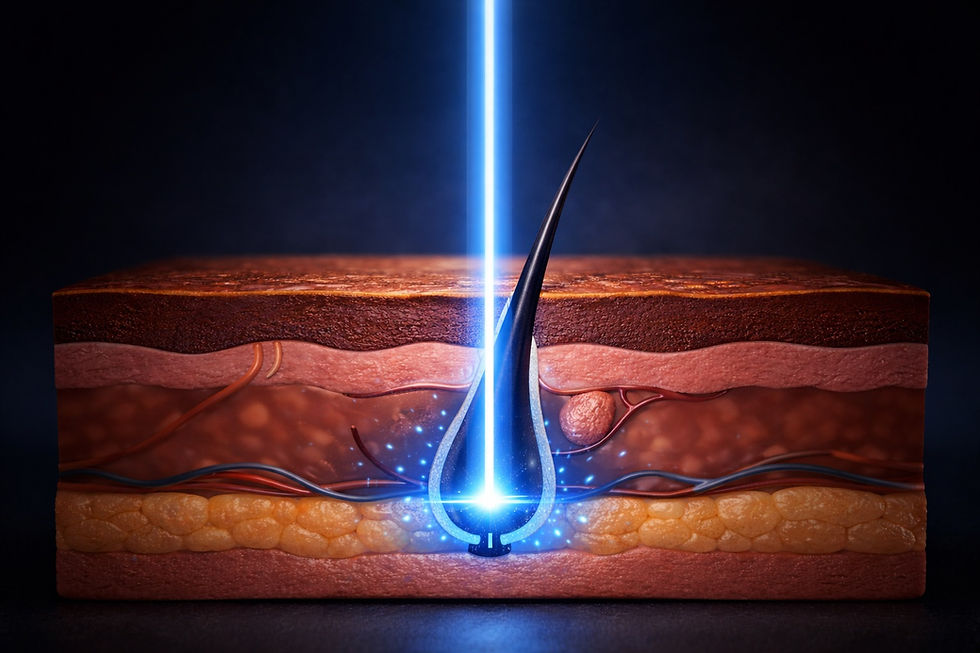
If you're planning laser hair removal, particularly for areas like underarms or the bikini line that might show in your dress, start that process even earlier—most areas need treatments spaced four to six weeks apart, with nine to twelve sessions total for optimal results. Your Botox maintenance schedule can easily accommodate laser appointments; just ensure they're not scheduled on the same day to avoid any unnecessary skin sensitivity.
The Week of Your Wedding: Nothing New
Here's a golden rule: the final week before your wedding is not the time for any new treatments. Your skin should be calm, predictable, and familiar. All Botox treatments should be complete by this point, with everything fully settled and looking exactly as you envisioned months ago when you started planning.
This week is for hydration, gentle skincare, adequate sleep, and trusting the preparation you've already done. Your makeup artist will thank you for having skin that's in its natural, well-maintained state rather than recovering from a last-minute treatment. Your photographer will capture the naturally smooth, refreshed appearance you've carefully cultivated over the past several months.
If anxiety creeps in during this final week—What if I should have done more? What if I should have started sooner?—remember that you've followed a thoughtful, strategic timeline designed specifically to avoid these worries. The planning you invested in eliminates the need for rushed decisions or last-minute interventions.
Frequently Asked Questions
How Long Before My Wedding Should I Get Botox?
If this is your first time with Botox, aim for a consultation and trial run 4 to 6 months before your wedding, with your final treatment scheduled 3 to 4 weeks before the big day. This gives you time to learn how your body responds, make any necessary adjustments, and ensure everything has settled perfectly before your photographer arrives.
If you're already experienced with Botox and know your personal timing well, you may be comfortable with just the final 3 to 4-week session. However, many brides still prefer having a test round earlier in their engagement for peace of mind, especially if they're working with a new provider or trying a slightly different approach.
What If I Bruise Easily?
Even with careful technique, a bruise can happen anytime a needle enters the skin. The good news is that your 3 to 4-week buffer serves as your safety net. Small bruises typically fade within several days, and the strategic timing ensures complete resolution well before your ceremony.
If you're prone to bruising, take blood thinners, or have specific health concerns, share that with your injector during your initial consultation. They can adjust your treatment plan, recommend specific pre-care steps (like avoiding certain supplements), and may use specialized techniques to further minimize bruising risk.
Can I Get a More Natural Look with "Baby Botox"?
Absolutely. Dose and placement are completely customizable. Baby Botox uses smaller, more strategically placed units to create a softer result with more retained movement. Many brides choose this approach because it offers:
Softened lines without completely erasing natural expression
A subtle "first step" that feels less intimidating
The ability to still raise eyebrows and show full facial emotion in photos
A skilled injector will discuss these options during your consultation and show you examples of how different approaches photograph. The goal is finding what makes you feel most like yourself—just more rested and photo-ready.
What About Other Areas Besides My Forehead?
Botox can address multiple areas, and your provider will help you prioritize based on what bothers you most in photos. Common wedding treatment areas include:
Forehead lines (horizontal creases)
Frown lines between the brows (the "11" lines)
Crow's feet around the eyes
Bunny lines on the nose bridge
Your trial appointment is the perfect time to address your primary concern, then you can add other areas at your maintenance or final session if desired. The same timing principles apply: start with the most important area first to learn your response, then expand your treatment plan as you build confidence.
Choosing Your Provider in Pittsburgh
Finding the right provider matters as much as timing. Look for injectors who emphasize natural results in their before-and-after galleries. During consultations, ask about their training, their philosophy on dosing, and how they approach first-time patients. The best providers will spend significant time listening to your concerns and educating you about realistic expectations before ever picking up a syringe.
In Pittsburgh, Med Spa Services like those at Avere Beauty specialize in the subtle, anatomy-respecting approach that's ideal for brides. The goal isn't transformation; it's refinement. You should leave every appointment looking like yourself, just more rested.
Red flags include providers who pressure you toward aggressive treatments, who dismiss your concerns about looking natural, or who rush through consultations without thoroughly discussing your goals. Trust your instincts. If something feels off during a consultation, it's perfectly acceptable to continue your search until you find a provider whose philosophy aligns with yours.
Resources
Looking Naturally Ready for Your Day
The journey from engagement to wedding day involves countless decisions, each one shaping how you'll feel when you finally walk down the aisle. Your approach to Botox deserves the same thoughtful planning you're giving to every other detail. Starting six months out, scheduling strategically, and working with a provider who values natural results transforms this treatment from a source of anxiety into just another element of feeling confident and ready.
By following this timeline, you're not chasing perfection or trying to look like someone else. You're simply giving yourself the gift of waking up on your wedding day looking naturally refreshed—like you've had the most restful week of your life right before the most important day. That subtle enhancement, that feeling of being photo-ready without worry, is exactly what you'll see when you look back at your wedding photos years from now.
Disclaimer: This article provides general information about Botox timeline for educational purposes. Individual circumstances vary significantly based on factors like wedding date, skin type/bruising history, and other treatments planned. For personalized guidance tailored to your wedding beauty planning, it is recommended to consult with a qualified professional.
Our Editorial Process
Our expert team uses AI tools to help organize and structure our initial drafts. Every piece is then extensively rewritten, fact-checked, and enriched with first-hand insights and experiences by expert humans on our Insights Team to ensure accuracy and clarity.
About the Avere Beauty Insights Team
The Avere Beauty Insights Team is our dedicated engine for synthesizing complex topics into clear, helpful guides. While our content is thoroughly reviewed for clarity and accuracy, it is for informational purposes and should not replace professional advice.


Comments